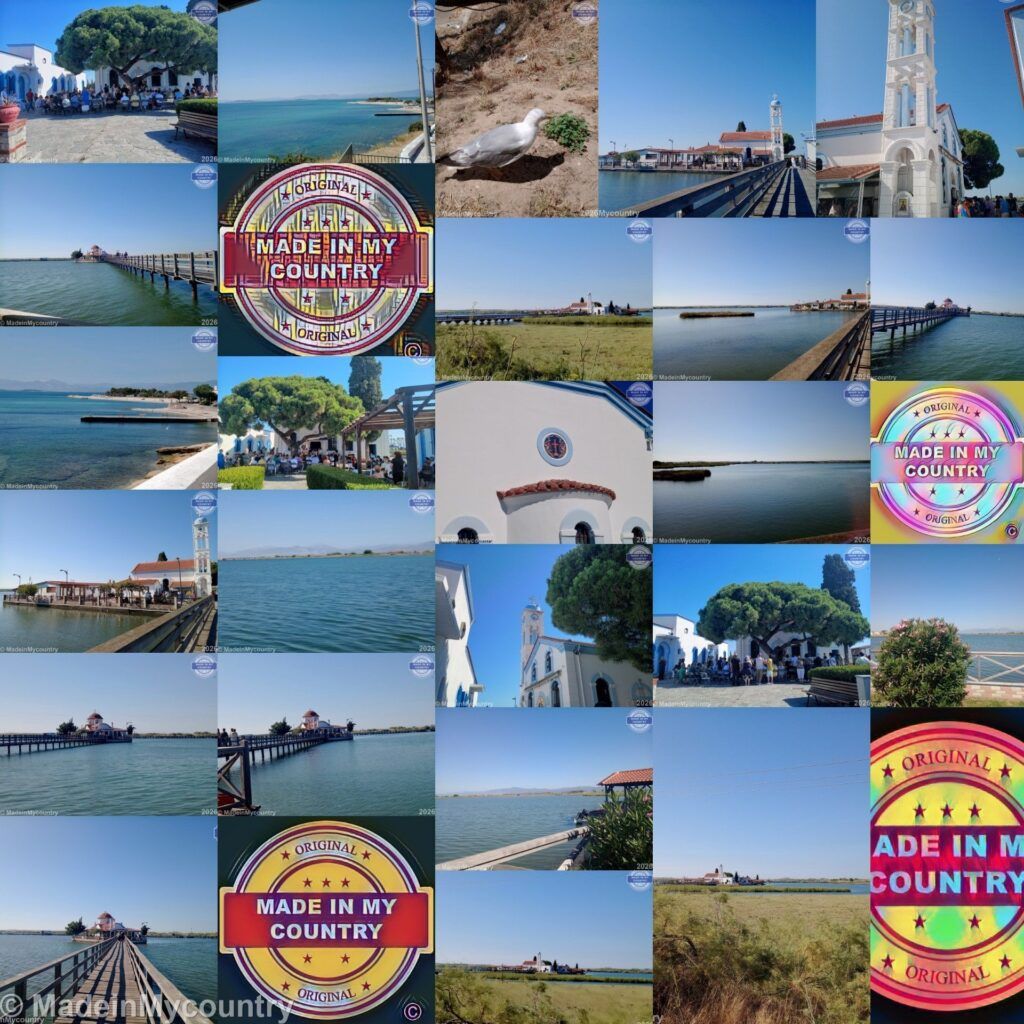
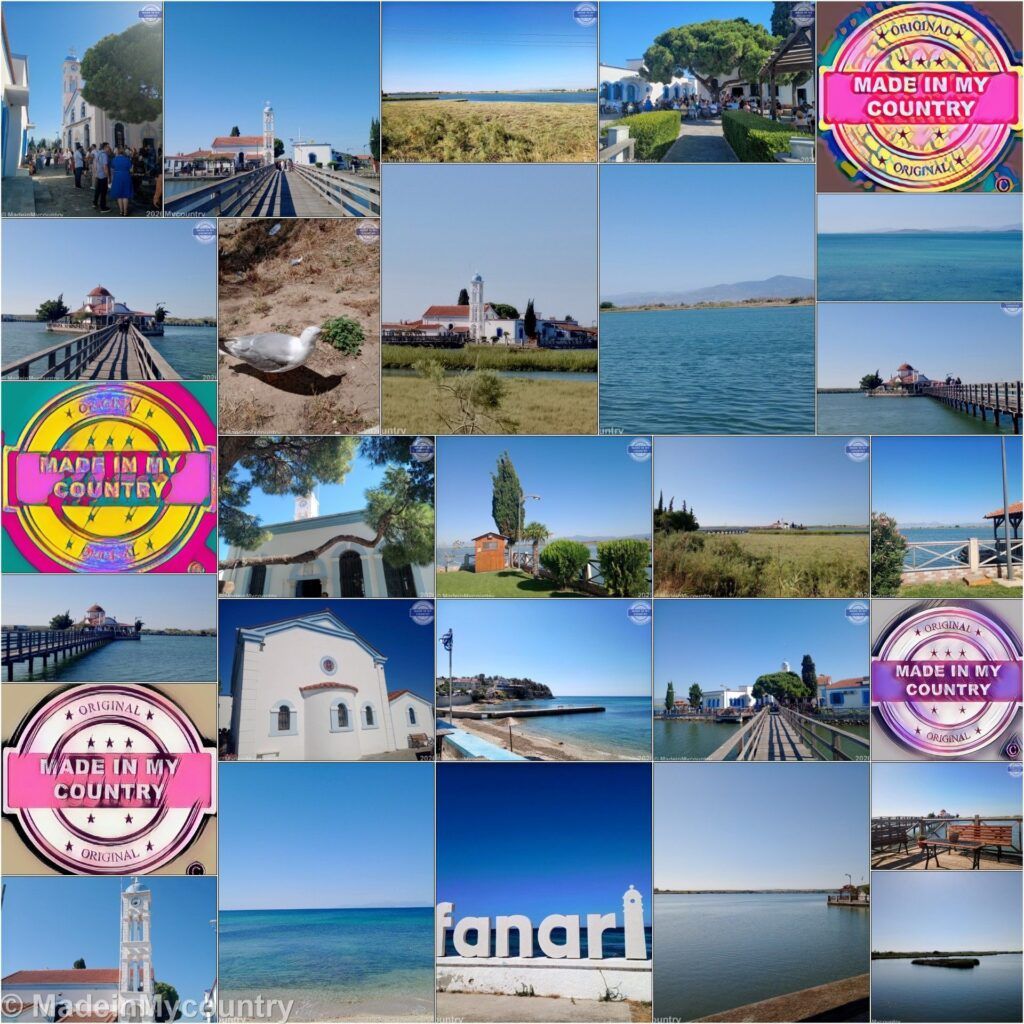
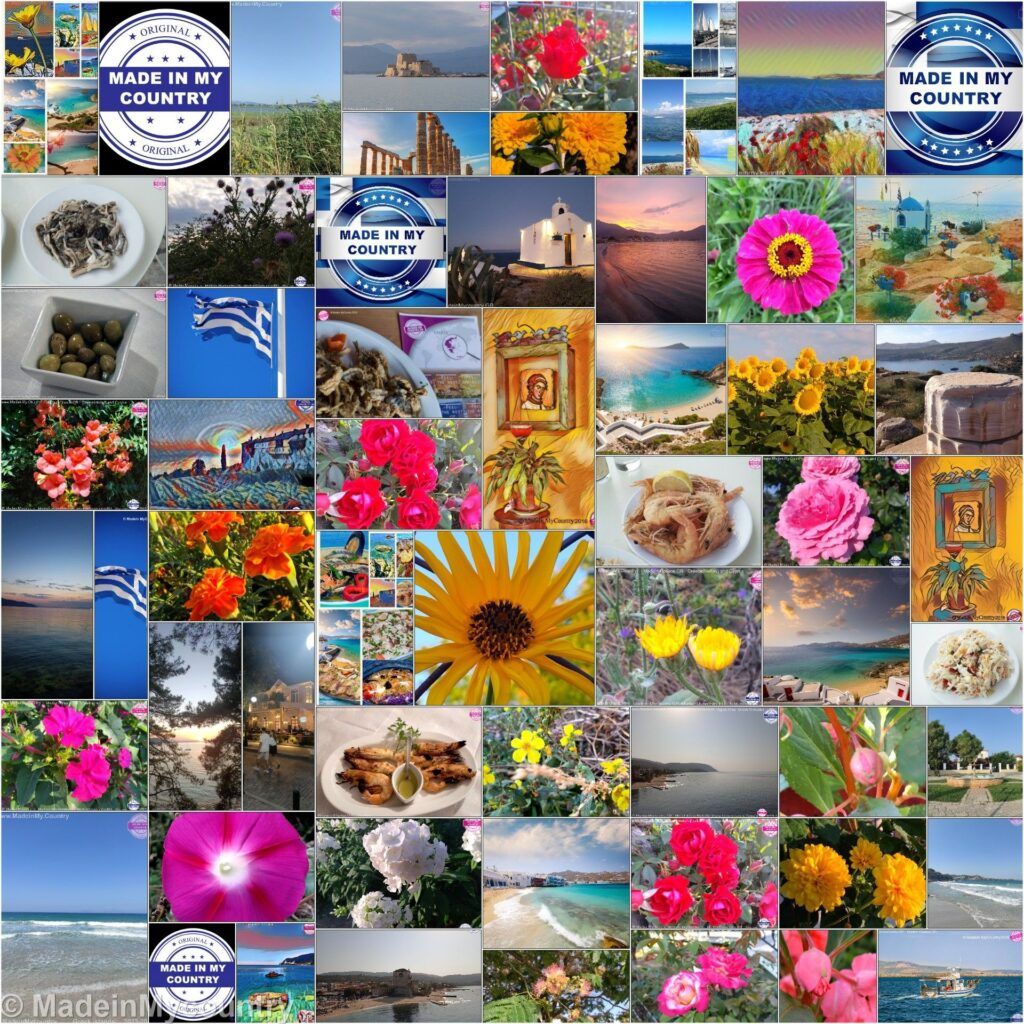
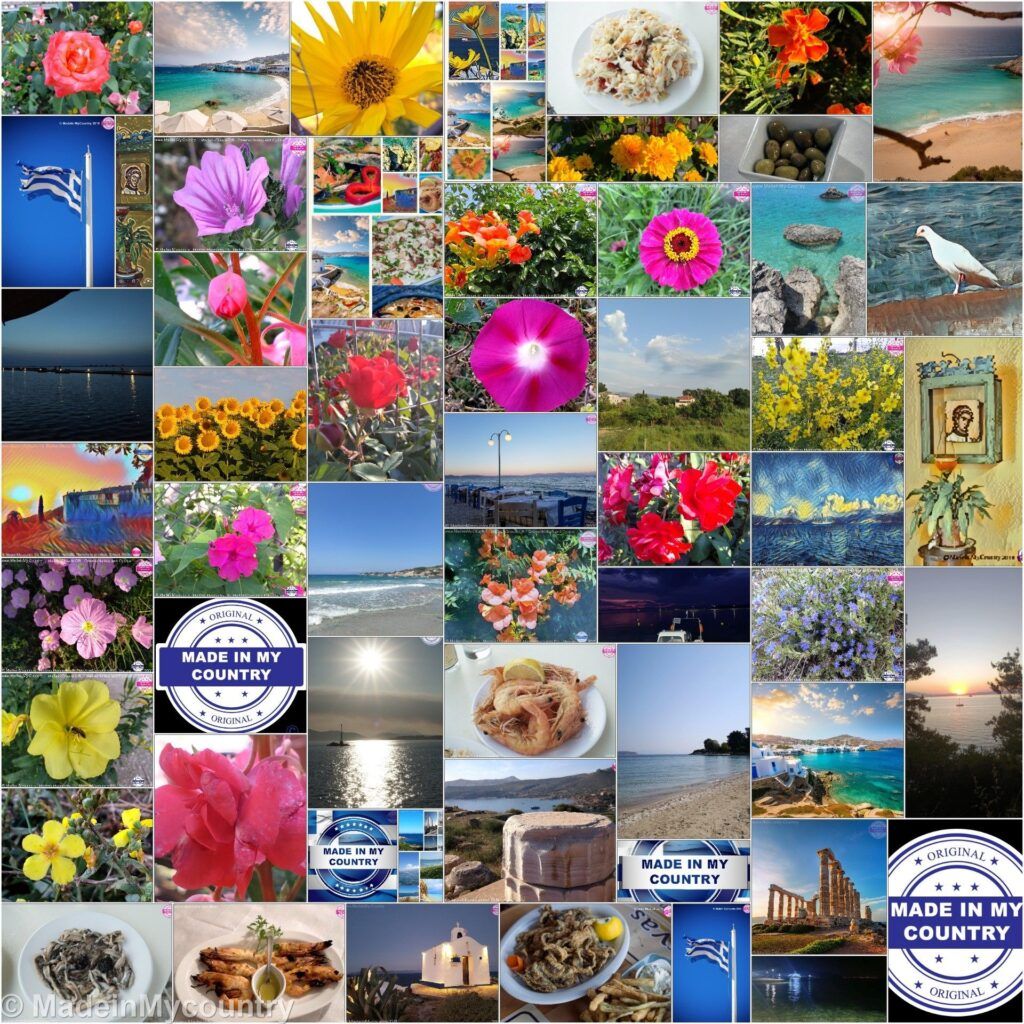
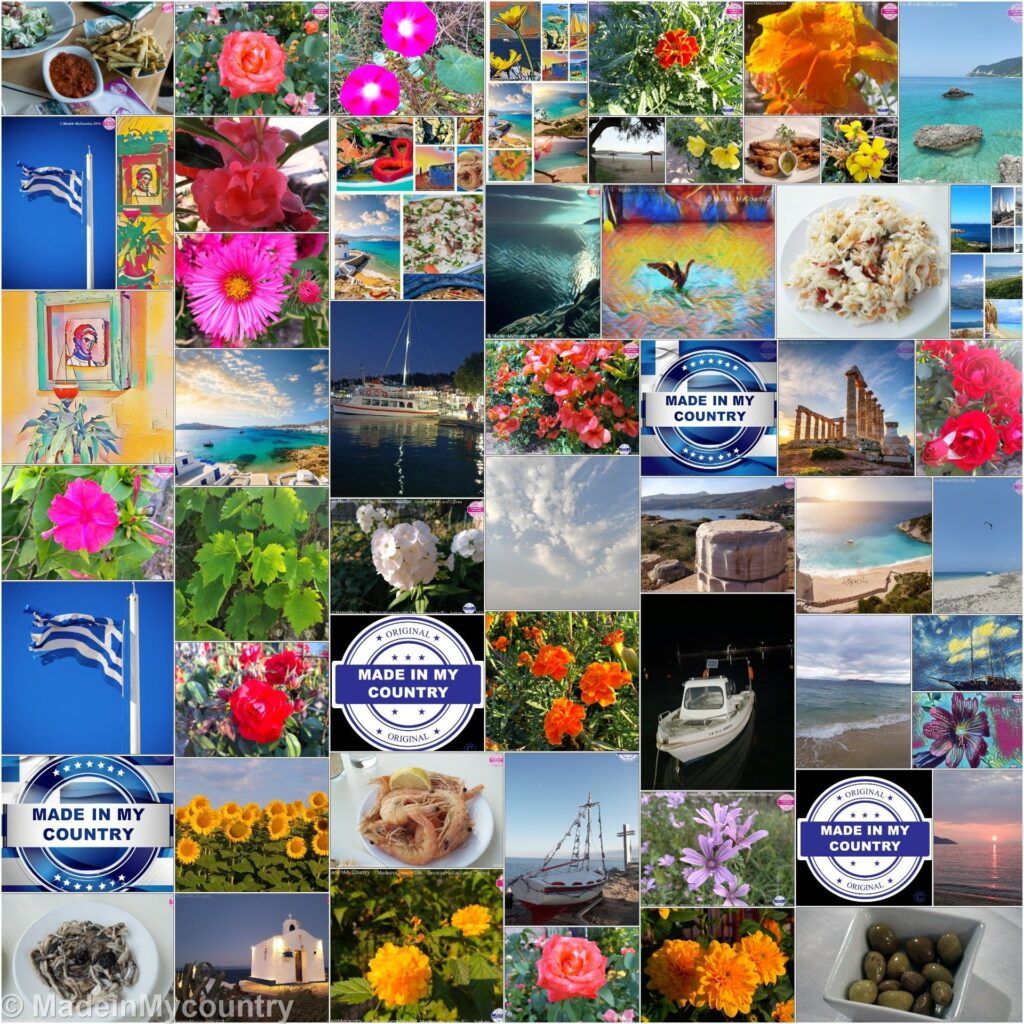
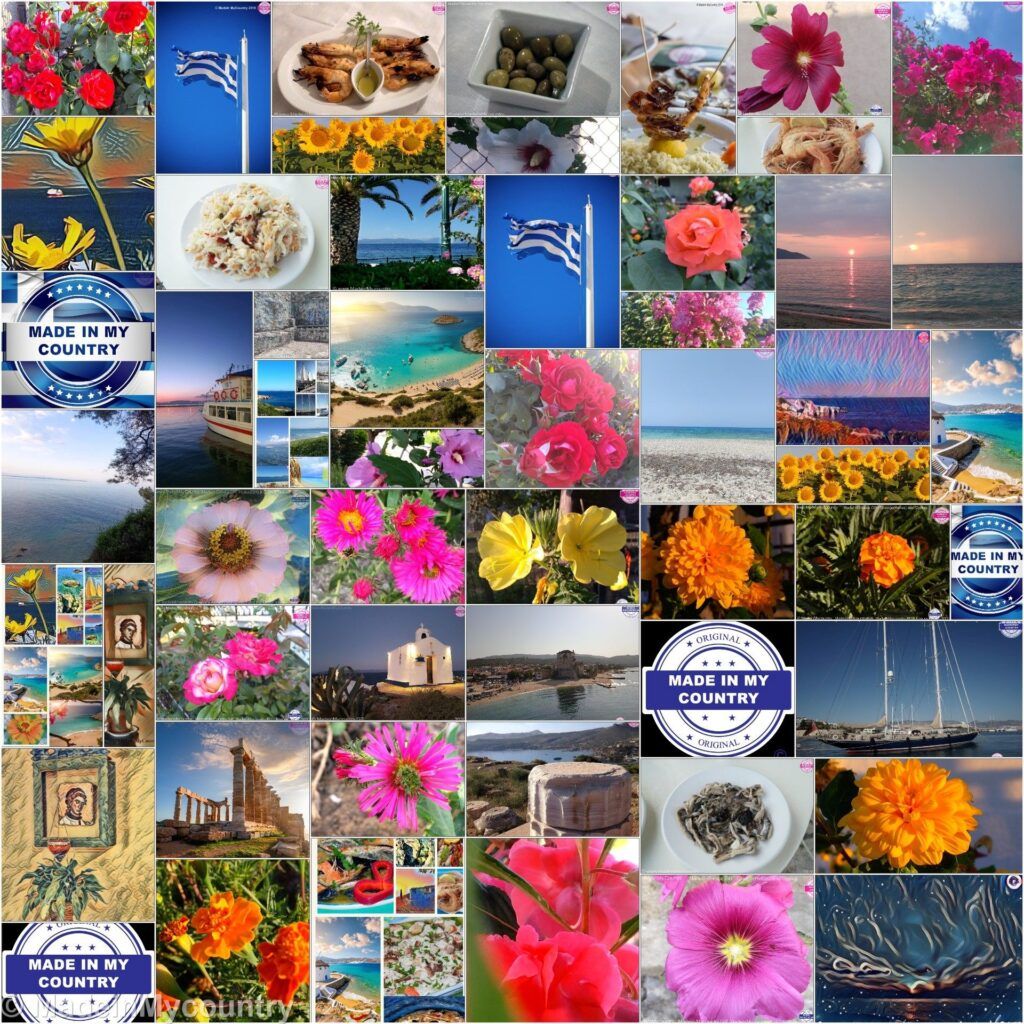
When temperatures rise, the heart of Komotini beats along the shores of the Thracian Sea. Just 30 km from the city unfolds a coastline of remarkable beauty, with golden sands and crystal-clear waters. Fanari, the “jewel” of the region, is a picturesque seaside village that blends cosmopolitan charm with tradition. Its beaches, with shallow and safe waters, are a favourite among families, while its small harbour lined with fish tavernas offers an authentic taste of the Aegean.
Fanari is a very popular coastal fishing village and summer resort located in the Rhodope,Thrace region of northeastern Greece.
Fanari in Rodopi, Thraki Hellas by MadeinMycountry: The largest independent, ad-free, uncompromising unique network of its kind In he world !!
Situated on the southeastern edge of the Vistonia Bay, about 30–35 kilometers southwest of Komotini and roughly the same distance from Xanthi in northeastern Greece (Hellas)
The “Summer Diamond of Thrace”: It is famous for its long, golden sandy beaches and crystal-clear Blue Flag waters, making it a top tourist destination in the Thracian Sea during the summer months.
It has a small permanent population of a few hundred residents, but it swells significantly with Greek and Balkan visitors in the summer.
The village features a small port, a major camping site, hotels, traditional fish taverns, beach bars, and organized beach facilities.
It hosts the annual Fanari Festival (a popular three-day summer music event) and sits near the rich ecosystems of the Eastern Macedonia and Thrace National Park
Fanari in Rodopi, Thraki Hellas by MadeinMycountry: The largest independent, ad-free, uncompromising unique network of its kind In he world !!
Complete your experience by exploring the “hidden” corners of the Rhodope region. As you drive towards the coast, views of lagoons that occasionally host flamingos and pelicans prepare you for an encounter with unspoiled nature.
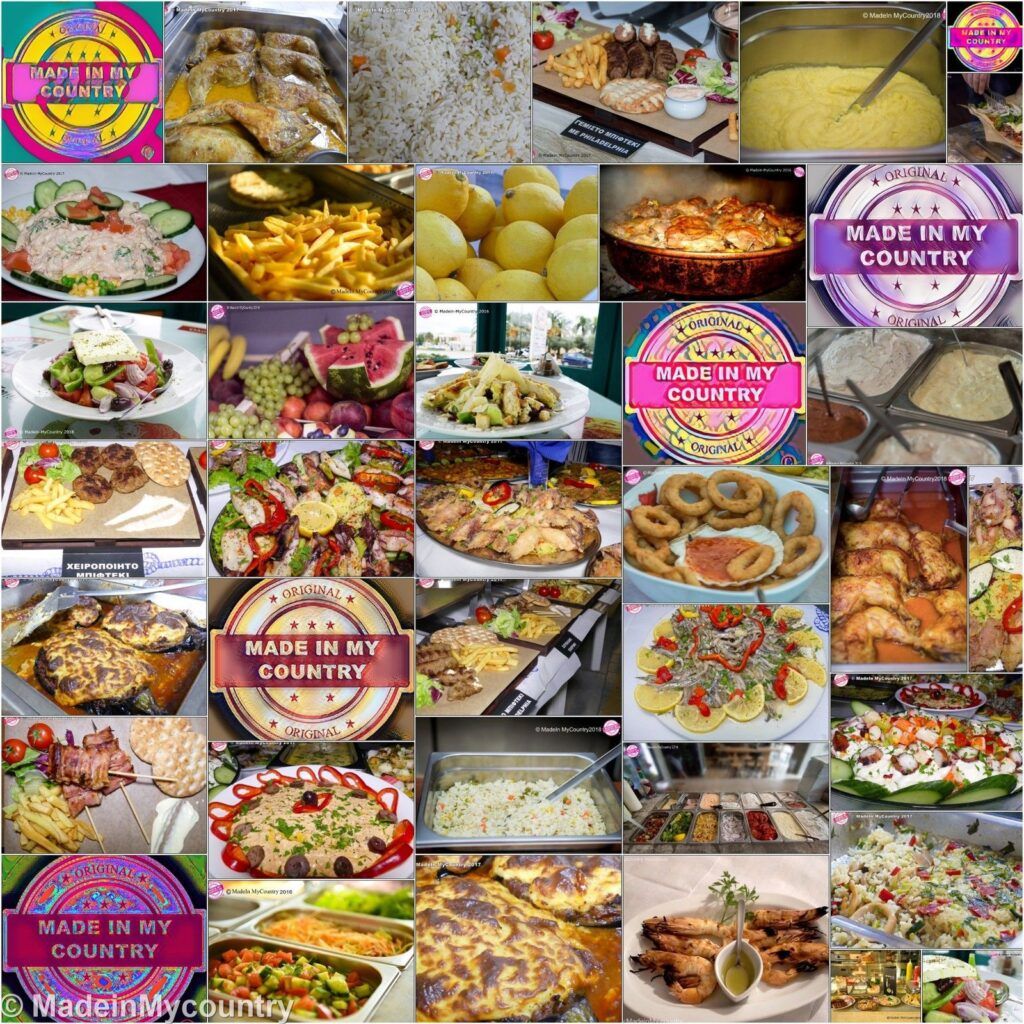
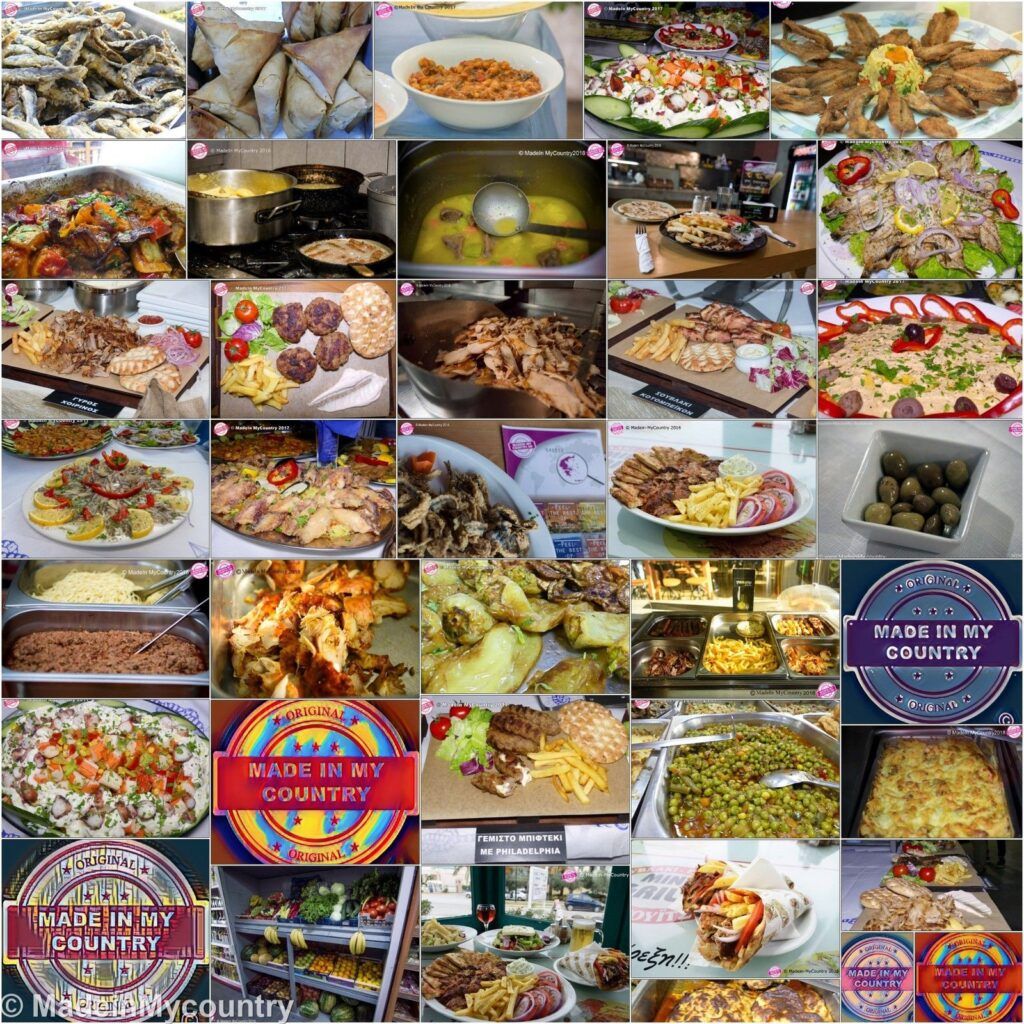
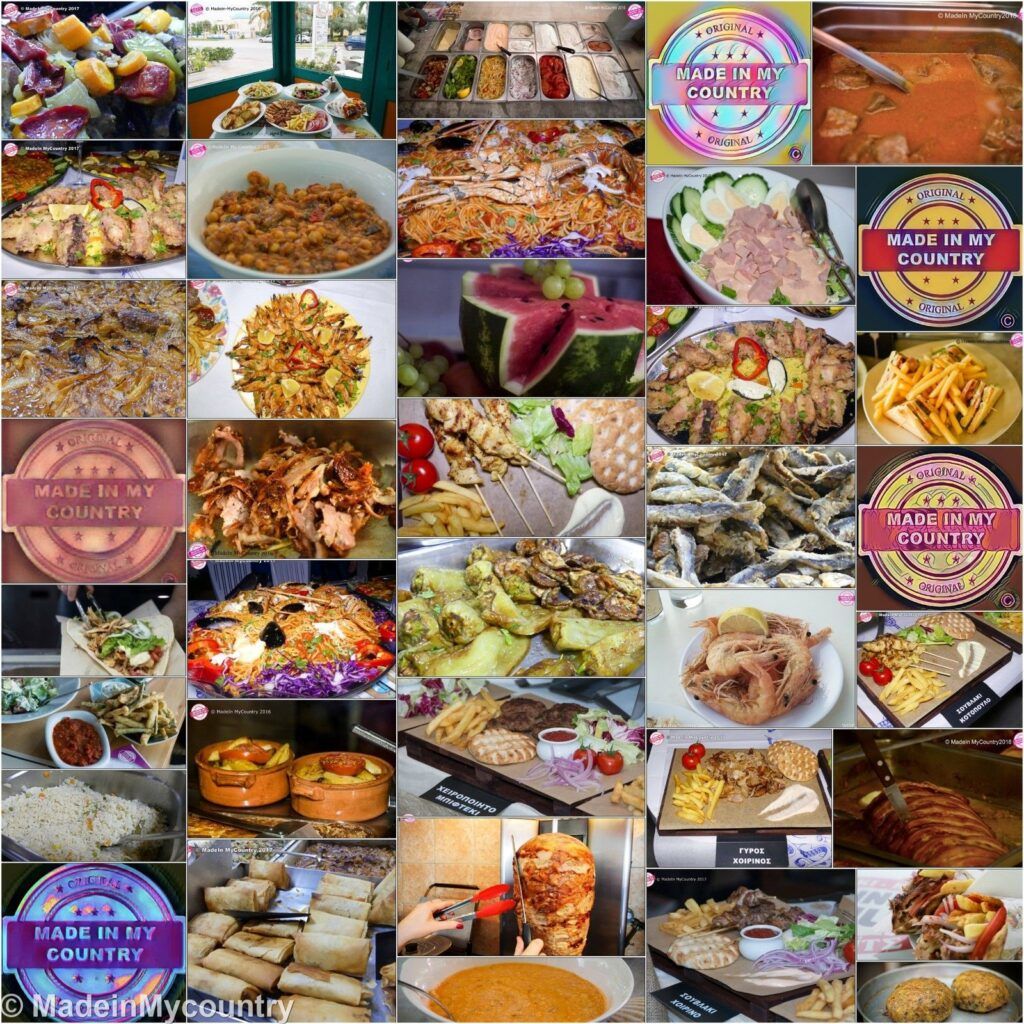
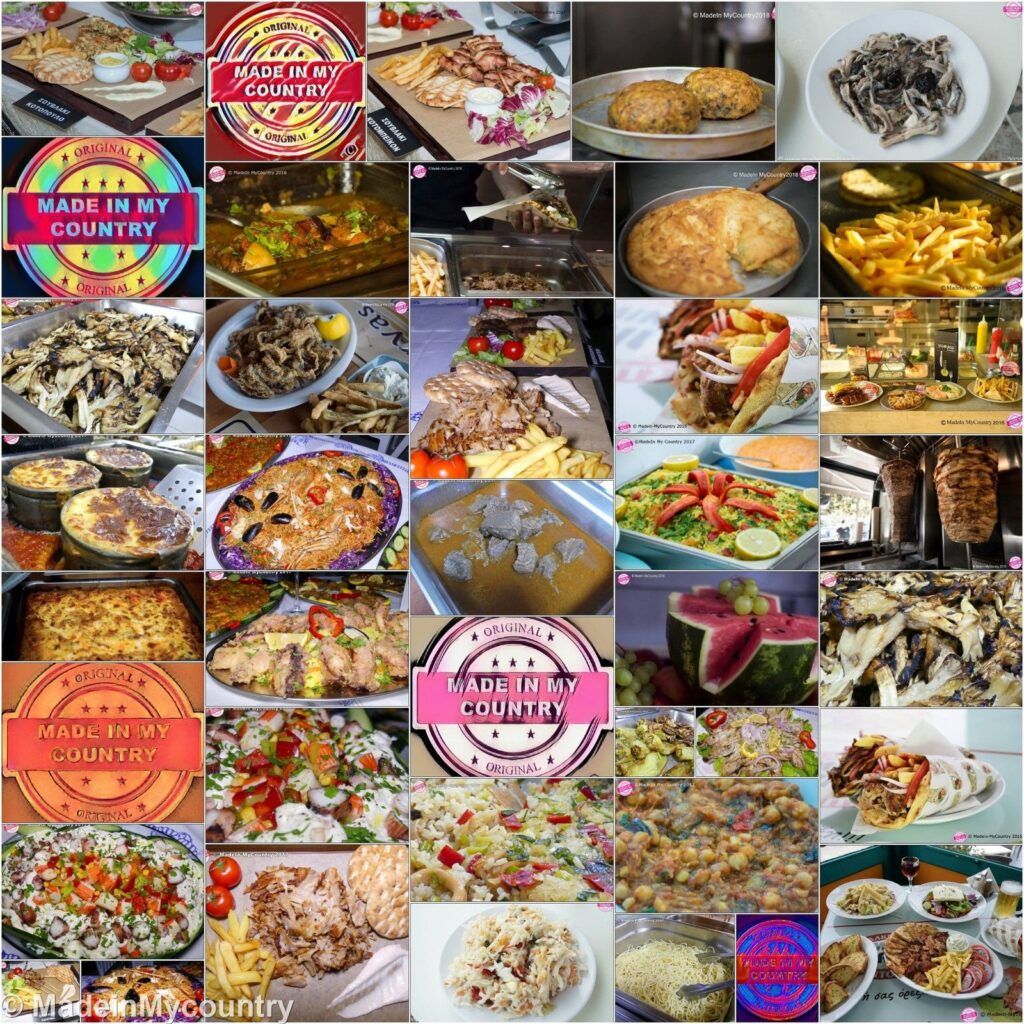
Mediterranean cuisine is the collection of traditional foods and cooking methods from countries bordering the Mediterranean Sea, including Greece, Cyprus, Italy, Spain, Lebanon and Morocco.
It emphasizes extra virgin olive oil, fresh seasonal vegetables, whole grains, legumes, fish, and aromatic herbs.
Mediterranean cuisine by MadeinMycountry: The largest independent, ad-free, uncompromising unique network of its kind In he world !!
Med cuisine characteristic ingredients:
Healthy fats: Extra virgin olive oil is the primary cooking fat and dressing.
Grains & Legumes: Wheat (as bread or pasta), rice, barley, chickpeas, and lentils.
Proteins: Frequent fish and seafood, moderate poultry and dairy (like feta and Greek yogurt), and low amounts of red meat.
Herbs & Spices: Oregano, basil, thyme, rosemary, garlic, and cumin.
Mediterranean cuisine by MadeinMycountry: The largest independent, ad-free, uncompromising unique network of its kind In he world !!
Regional Variations
Southern European (Greece, Italy, Spain): Focuses on olive oil, pasta, fresh fish, tomatoes, and regional wines.
Levantine & Middle Eastern (Lebanon): Features flatbreads, rice, lamb, yogurt, and dips like hummus.
North African (Morocco): Highlights warm spices like cumin, saffron, and cinnamon used in slow-cooked tagines and couscous.
Med cuisine promotes long-term wellness through antioxidant-rich, minimally processed foods
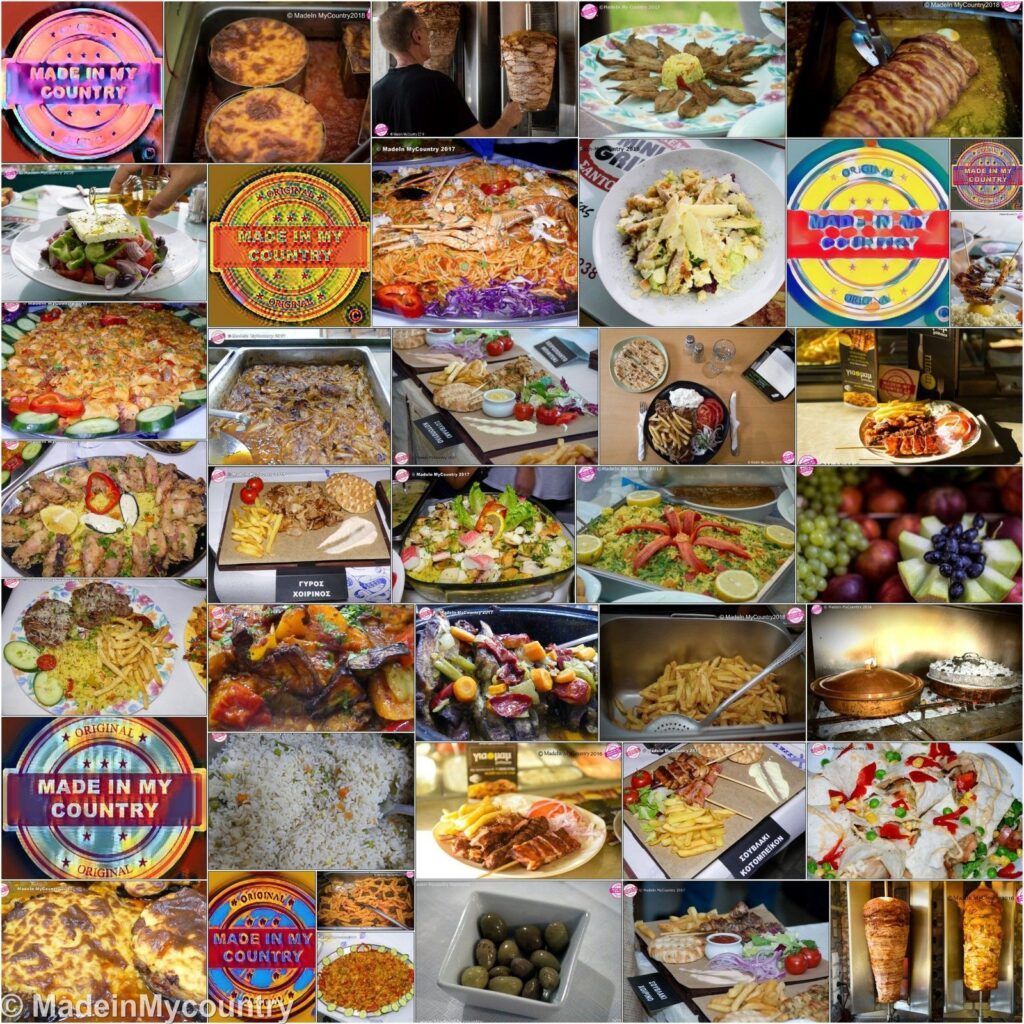
Here is a small sample of the most popular and well recognized Mediterranean cuisine which is the Greek Mediterranean cuisine
Popular local foods include: moussaka, souvlaki, fresh seafood, and horiatiki (Greek salad) and Greek Yogurt.
Mediterranean cuisine by MadeinMycountry: The largest independent, ad-free, uncompromising unique network of its kind In he world !!
Greek Yogurt: Timeless & very nutritional
Made of fresh milk curdled and then fermented by means of bacteria, yogurt has always been one of the finest products of the Greek farming tradition since the ancient times. Thick, creamy and super tasty, the Greek yogurt is made of pure sheep’s milk in small dairy units. In larger ones, they usually make yogurt with fresh cow’s milk, be it skimmed or semi-skimmed. They also add ingredients favoring health and growth for kids, or make it with strained cow’s milk (with the fat included ranging from 0%-10%) and milk cream, or even pair it with fruits and cereals as a desert to boost its nutritional capacity.
Over the past few years the Greek strained yogurt has conquered the world, marking a startling increase in sales worldwide.
Olive Oil
Greece is the world’s third largest producer of olive oil and ranks first in exports of virgin olive oil, which is the top-ranked olive oil classification category in the world. Although olive trees grow all over Greece the largest producers of olive oil are the region of Peloponnese as well as Lesvos and Crete Islands. The benefits of olive oil were known since antiquity. Homer referred to olive oil as liquid gold and Hippocrates noted its healing factors. Studies have shown that olive oil is the healthiest product among vegetable oils. It is loaded with antioxidants and protects from various diseases; making it essential for a balanced diet!
Mediterranean cuisine by MadeinMycountry: The largest independent, ad-free, uncompromising unique network of its kind In he world !!
Honey
Certainly honey was the first – and for quite a while – the only sweetener Greeks had in their diet. While its importance dates back to ancient time, even nowadays, it remains the most prestigious sweetener. Honey’s nutritious values, such as minerals, vitamins, natural sugars, antioxidants etc., benefit our health and taste buds every single time we taste it!
Teas and Infusions with Herbs
A large variety of herbs grow in Greece. They are considered by locals as a natural remedy and have been used, since antiquity, mainly as pain-killers. Among the most renowned are the Greek Mountain Tea (sideritis clandestina) for its digestive, warming, tonifying and antioxidant effects as well as the Dittany (dictamon in Greek) for its spasmolytic, tonifying and anti-diabetic impact.
Mediterranean cuisine by MadeinMycountry: The largest independent, ad-free, uncompromising unique network of its kind In he world !!
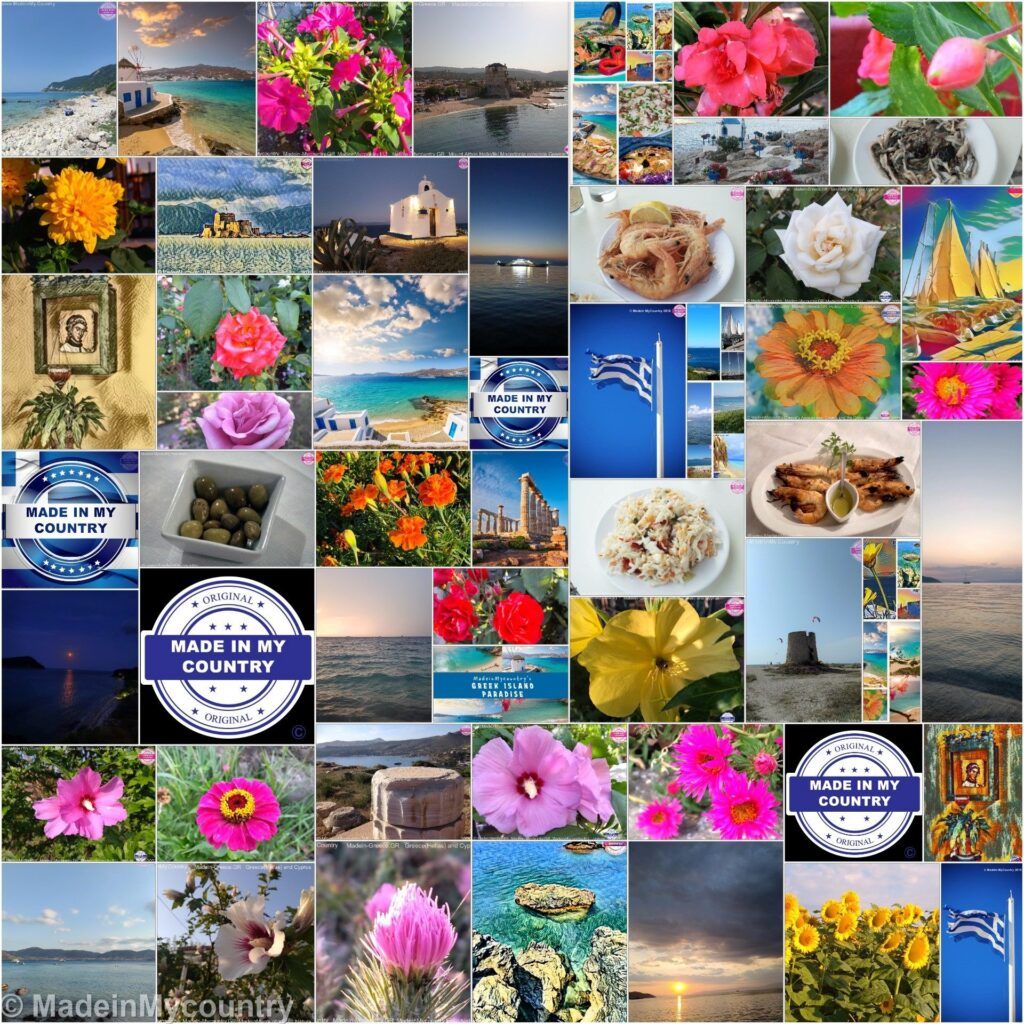
The Aegean sea of Greece (Hellas), Cyprus and the Greek islands!!
The most famous islands are in the Aegean Sea of Greece (Hellas) comprising of some of the most beautiful islands in the world! Gorgeous sandy beaches, architecture in white and blue, traditional lifestyle, folk music, incredible foods, warm, hospitable people and barren landscapes with isolated chapels turn a trip to the Aegean sea’s Greek islands into a lifetime experience!!
Greece has many islands,with estimates ranging to around 6,000, depending on the minimum size to take into account. The number of inhabited islands is variously cited as around 250.
The largest Greek island by both area and population is Crete, located at the southern edge of the Aegean Sea. The second largest island in area is Euboea or Evvia, which is separated from the mainland by the 60 m wide Euripus Strait, and is administered as part of the Central Greece region. After the third and fourth largest Greek islands, Lesbos and Rhodes, the rest of the islands are two-thirds of the area of Rhodes, or smaller.
The Aegean sea of Greece (Hellas), Cyprus and the Greek islands!! MadeinMycountry is a global platform that celebrates and supports local history, culture, art, and nature conservation efforts. For two decades, we have been sponsoring local museums, cultural organizations, travel destinations, historical sites, and various cultural events around the world.
The Greek islands are traditionally grouped into the following clusters: the Saronic Islands in the Saronic Gulf near Athens; the Cyclades, a large but dense collection occupying the central part of the Aegean Sea; the North Aegean islands, a loose grouping off the west coast of Asia minor; the Dodecanese, another loose collection in the southeast between Crete and Asia minor; the Sporades, a small tight group off the coast of Euboea; and the Ionian Islands, chiefly located to the west of the mainland in the Ionian Sea. Crete with its surrounding islets and Euboea are traditionally excluded from this grouping.
Some Greek islands are often located off the coasts of modern countries whose shores were already inhabited by Greeks before antiquity, such as the coasts of Asia Minor and northern Epirus. It was only in the 20th century that the displacement of Greek populations led to a change in the ethnic landscape: today, Greek-populated islands are situated near regions now inhabited by other ethnic groups, such as in Asia Minor and Northern Epirus.
Cyprus has been Greek since ancient times with Alexander the great of Greece liberating the island from invaders around 330 B.C. Cyprus later became a part of the Christian Byzantine Empire of Constantinopole.
The Aegean sea of Greece (Hellas), Cyprus and the Greek islands!! MadeinMycountry is a global platform that celebrates and supports local history, culture, art, and nature conservation efforts. For two decades, we have been sponsoring local museums, cultural organizations, travel destinations, historical sites, and various cultural events around the world.
The Aegean Sea is named after King Aegeus of Athens, Greece (Hellas) who drowned himself in the sea after believing his son, Theseus, had died during his quest to slay the Minotaur in Crete. When Theseus forgot to hoist a white sail to signal his success, his father, Aegeus, seeing the expected black sail of defeat, threw himself from a cliff into the sea below
The Greek islands have been continuously inhabited by Greeks and have been significant for thousands of years, with human settlement dating back to the Neolithic period (c. 7000 BCE).
Major ancient civilizations like the Greek (Hellenic) Minoan (Crete), Greek (Hellenic) Cycladic, and Greek (Hellenic) Mycenaean cultures flourished on the islands, developing advanced art, architecture, and maritime skills, leaving behind a rich archaeological legacy. Today, the islands remain important cultural and historical centers, attracting visitors for their history, beauty, and unique way of life, like the famously long-lived population on Ikaria.
The Aegean sea of Greece (Hellas), Cyprus and the Greek islands!! MadeinMycountry is a global platform that celebrates and supports local history, culture, art, and nature conservation efforts. For two decades, we have been sponsoring local museums, cultural organizations, travel destinations, historical sites, and various cultural events around the world.
Some Greek islands are often located off the coasts of modern countries whose shores were already inhabited by Greeks before antiquity, such as the coasts of Asia Minor and northern Epirus. It was only in the 20th century that the displacement of Greek populations led to a change in the ethnic landscape: today, Greek-populated islands are situated near regions now inhabited by other ethnic groups, such as in Asia Minor and Northern Epirus.
The Aegean Sea of Greece (Hellas) is so blue due to a lack of phytoplankton and suspended particles, which allows sunlight to penetrate deep and scatter, reflecting the blue wavelength. Its clear, calm waters and a light-colored seafloor, often made of crushed marble, also contribute to its intense blue hue by reflecting light more effectively. The water itself also absorbs red and yellow light more than blue light, further enhancing the blue appearance, especially in large depths
One of the greatest creations of Greek Aegean civilization is its art, unique in its time, not only in the Aegean but also in the entire world. The austerity and inventiveness that characterize the artist of the Bronze Age are reflected in the artifacts he produces. Since that ancient era, the Aegean has been spiritually charged and is reflected in literature, poetry and art.
The Aegean sea of Greece (Hellas), Cyprus and the Greek islands!! MadeinMycountry is a global platform that celebrates and supports local history, culture, art, and nature conservation efforts. For two decades, we have been sponsoring local museums, cultural organizations, travel destinations, historical sites, and various cultural events around the world.
The Early Greek (Hellenic) Cycladic II (2700–2400/2300 BC) marks the heyday of the Greek (Hellenic) Cycladic civilization, with the expansion of settlements and cemeteries, the development of metalwork (bronze weapons and tools), the flourishing of marble sculpture (excellent figurines and vases) and an increase in trade exchanges with mainland Greece, Crete and the Aegean. The Early Greek Cycladic III (2300–2000 BC) is the last phase of the civilization, which is characterized by the decline and change in the characteristics of pottery.
The achievements of vase painting during the Early Greek Cycladic II and Early Greek Cycladic III periods and the introduction of polychrome in the decoration of Middle Cycladic vases certainly contributed to the emergence of painting as an important means of artistic expression. Thus, while the Early Cycladic period could be characterized as the century of sculpture for the Cyclades, the Middle Bronze Age (c. 2000–1650 BC), -Middle Cycladic- and the early Late Cycladic could justifiably claim the title of the century of great painting.
The Aegean sea of Greece (Hellas), Cyprus and the Greek islands!! MadeinMycountry is a global platform that celebrates and supports local history, culture, art, and nature conservation efforts. For two decades, we have been sponsoring local museums, cultural organizations, travel destinations, historical sites, and various cultural events around the world.
The Aegean sea of Greece (Hellas), Cyprus and the Greek islands!! MadeinMycountry is a global platform that celebrates and supports local history, culture, art, and nature conservation efforts.
MadeinMycountryGR Greece Hellas Cyprus MacedoniaGR Made in Greece Aegean sea Greek islands Greek seas Ελλαδα Κυπρος Μακεδονια Αιγαιο Καστελλοριζο
The Aegean sea of Greece (Hellas), Cyprus and the Greek islands!! MadeinMycountry is a global platform that celebrates and supports local history, culture, art, and nature conservation efforts. For two decades, we have been sponsoring local museums, cultural organizations, travel destinations, historical sites, and various cultural events around the world.
We use strictly necessary cookies cookies to ensure that we give you the best experience on our website. If you do not consent with YouTube's third party non functional cookies, please press "No".